
Trolling vs Bottom Fishing: Which Gulf Trip Fits?
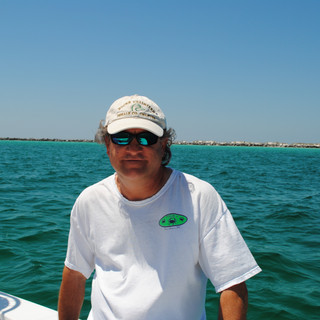
Picture the Gulf stretched out blue in every direction, the boat moving offshore, and someone in your group asking the big question: trolling vs bottom fishing, which one are we doing? Both are exciting ways to fish the Destin and Fort Walton Beach area, but they create two very different days on the water.
One keeps the boat moving as baits run behind it. The other puts you over structure, dropping lines toward fish holding near the bottom. The right choice comes down to what you want to catch, how your group likes to fish, the season, and the conditions Captain sees that day.
What Trolling Feels Like on a Gulf Charter
Trolling means fishing while the boat moves at a controlled speed. Lines are set behind the boat with baits or lures running at different distances and depths. Rather than waiting over one spot, the captain covers water, watches the conditions, and looks for the signs that game fish are feeding.
For vacationing families and first-time anglers, trolling is often easy to settle into. You can take in the ride, talk with your group, watch for birds or bait activity, and wait for the sudden sound of a reel taking off. When it happens, it happens fast. A fish hits, the rod bends, and it is time to get in the chair or grab the rod.
Along the Florida Gulf Coast, trolling can produce fish such as King Mackerel, Spanish Mackerel, Bonito, and other pelagic species depending on the time of year and where the fish are running. These fish are built to move, and the strikes can be aggressive. King Mackerel in particular are a favorite for anglers who want a hard run and a fish that does not waste any time testing the tackle.
Trolling also makes sense when fish are scattered. Instead of anchoring over one area and hoping the bite turns on, the boat can keep searching. That mobility is a big advantage when the captain sees bait schools, surface activity, current lines, or changing water color that may hold fish.
The trade-off with trolling
Trolling has exciting highs, but it can include quieter stretches between bites. You are covering ground and looking for the right opportunity, not dropping directly onto a pile of fish. Some guests love that anticipation. Others, especially kids who want frequent action, may prefer a style where they are actively reeling and resetting lines more often.
It is also less predictable by species. A captain can target likely areas and use the right spread, but roaming fish are roaming fish. That is part of the fun. You are hunting them down in open Gulf water.
What Bottom Fishing Feels Like
Bottom fishing is all about putting baits where reef fish live and feed. The captain positions the boat over productive bottom structure, reefs, ledges, or wrecks, then anglers drop baited rigs down to the strike zone. Once the bait reaches the bottom, the action can begin quickly.
This is the classic deep-sea charter experience many Destin visitors picture: feeling a tap, a heavier pull, then reeling up something colorful and powerful from below. Depending on the season, regulations, and location, bottom fishing may target Red Snapper, Grouper, Triggerfish, Amberjack, and other reef species.
The hands-on pace is a major reason groups enjoy it. You are dropping, feeling the bite, setting the hook when needed, and reeling. When the fish are stacked on the right spot, several people may hook up close together. That creates a lot of excitement on deck and plenty of great family photos.
Bottom fishing is especially popular during Red Snapper season. Red Snapper are one of the Gulf's most recognizable catches for good reason. They fight hard, look great in photos, and make excellent table fare when regulations allow harvest. Grouper fishing brings a different challenge, with stronger fish that know every rock and ledge between them and open water.
The trade-off with bottom fishing
Bottom fishing is not always a non-stop fish-catching machine. Current, water depth, weather, and the mood of the fish all matter. On some days, the captain may need to move between spots to find the bite. Deep drops can also require more effort than trolling, particularly when you are bringing a fish up from significant depth.
There is another practical factor: reef-fish seasons and harvest rules. A species may be biting but not available to keep at that time. A good local captain stays on top of current regulations and helps guests understand what can go in the cooler. The fishing is still fun, but expectations should match the season.
Trolling vs Bottom Fishing for Your Group
If your group includes first-timers, young anglers, and people who mainly want a fun Gulf adventure, either method can work. The better question is what kind of memory you want to take home.
Choose trolling if your group enjoys the ride, likes the surprise of a screaming reel, and wants a shot at fast-moving species like King Mackerel or Spanish Mackerel. It is a great fit for guests who would rather scan the horizon than focus on feeling every small bite.
Choose bottom fishing if catching dinner, working the rod, and seeing what comes up from the reef sounds like the better day. It is often the stronger choice for visitors hoping for Red Snapper or Grouper when those fisheries are open and conditions line up.
A mixed group does not have to make the choice alone. Many Gulf trips can include both approaches when time, season, and conditions allow. A captain may troll while traveling to offshore structure, then switch to bottom fishing once the boat is positioned over a productive spot. That gives your crew a chance at a strike in open water and the hands-on action of reef fishing.
What the Season Changes
No fishing method wins every month. Gulf fishing is seasonal, and that is one reason a local captain matters. King Mackerel, Spanish Mackerel, Cobia, Red Snapper, Grouper, and other species move and feed differently throughout the year.
Spring can bring great opportunities for migratory fish, including the excitement of Cobia when conditions are right. Warmer months are a major draw for offshore bottom fishing, especially when Red Snapper season is open. Fall can be excellent for mackerel action, while winter fishing can still offer worthwhile opportunities depending on weather and target species.
Weather matters just as much as the calendar. Wind, waves, water clarity, current, and recent storms all shape the plan. The best captains do not force yesterday's game plan onto today's Gulf. They fish what is working and put the group in the best position for a good day.
How to Pick the Right Charter Trip
When booking, tell the captain what matters most to your group. Say if you have children, if anyone is new to saltwater fishing, if you want to keep fish for a meal, or if someone has their heart set on a specific species. That conversation helps match the trip to the right fishing style.
Also be realistic about trip length. A half-day trip is a great way to get on the water without giving up the entire vacation day. Longer trips create more room to run farther offshore, try multiple techniques, and spend more time on the best bite. Neither is automatically better. It depends on your schedule, budget, and how serious your crew is about fishing.
At Jack M Up Charter Fishing, the goal is simple: make the day easy and exciting. Tackle, bait, ice, and fishing licenses are handled, so you can show up ready to fish. Bring sun protection, drinks, a camera, and a good attitude for whatever the Gulf serves up.
The best choice is not really trolling or bottom fishing in the abstract. It is the method that matches the fish available, the conditions offshore, and the people standing on the deck with you. Tell your captain what a great day looks like for your crew, then let local experience turn that plan into a Gulf Coast memory worth talking about long after the vacation ends.


Comments