
What to Bring on a Fishing Charter in Destin
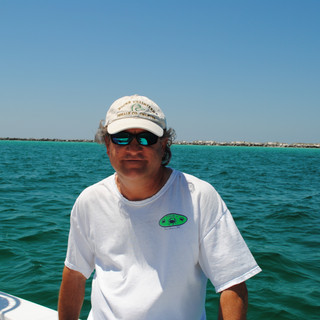
The Gulf can look calm from the dock and feel a whole lot brighter, windier, and wetter once the boat is running offshore. That is why knowing what to bring on a fishing charter makes a real difference between simply getting through the trip and having a day your group talks about for the rest of vacation.
The good news? You do not need to arrive looking like a tournament angler. On a private Destin or Fort Walton Beach charter, the captain generally handles the fishing essentials so you can focus on the fun. At Jack M Up Charter Fishing, ice, dead bait, tackle, and fishing licenses are included. Your job is to pack for the Florida sun, the boat ride, and the people in your group.
Start With What the Charter Already Provides
First-time guests often overpack because they assume they need rods, tackle boxes, bait, and licenses. For a guided Gulf trip, those are usually handled by the boat. Your captain brings gear suited to the day’s plan, whether that means light tackle action nearshore, trolling for King Mackerel, or heading deeper for Red Snapper and Grouper.
Bringing your own favorite rod is fine only if you have checked with the captain first. It takes up deck space, may not match the target species or conditions, and can become one more thing to manage while fish are biting. Vacation fishing should be easy. Let the crew put the right equipment in your hands and show you how to use it.
If there is a specific item you are unsure about, ask before your trip. A quick question beats carrying a pile of gear from the condo to the dock for no reason.
What to Bring on a Fishing Charter for Sun Protection
The Florida Gulf sun reflects off the water from every direction. Even guests who rarely burn on the beach can get surprised offshore. Sun protection is not optional, especially on a half-day trip with little shade while everyone is watching lines and moving around the boat.
Bring sunscreen that is comfortable enough to reapply. Choose a broad-spectrum, water-resistant formula and put it on before leaving the dock. Reapply after a few hours, after getting splashed, or after handling bait and washing your hands.
A hat with a brim is one of the best things you can bring. A baseball cap works, but a wide-brim hat offers more protection for ears and the back of the neck. Polarized sunglasses are another smart move. They cut glare, protect your eyes from sun and wind, and make it easier to spot fish or bait activity near the surface. Use a retainer strap if you have one. The Gulf is full of sunglasses that slipped off at the wrong moment.
A lightweight long-sleeve fishing shirt or sun shirt is often more comfortable than coating yourself in sunscreen all day. It also helps when the ride out is breezy. For kids, a shirt with built-in sun protection can make a big difference during a long, exciting day when they are too busy fishing to remember another sunscreen application.
Dress for a Boat, Not a Beach Chair
Wear clothes you do not mind getting wet, fishy, or covered in a little bait. Comfortable shorts and a breathable shirt are the standard choice for warm-weather charters. If the forecast calls for a cooler morning, bring a light jacket or windbreaker. Even in Florida, the run offshore can feel chilly before the sun gets high.
Footwear matters more than people think. Wear flat shoes with a secure sole, such as boat shoes, sandals with straps, or clean athletic shoes. Avoid loose flip-flops that can slide around on a wet deck or get kicked off during the ride. Skip shoes with dark, marking soles if your captain requests it.
Leave expensive jewelry, fancy bags, and anything you would hate to lose at the hotel. Saltwater, sunscreen, bait, and rolling waves are not kind to valuables. Keep your setup simple and use a small soft-sided bag or backpack that can fit out of the way.
Pack Drinks, Snacks, and the Right Food
Fishing builds an appetite, and the boat ride can make everyone thirsty fast. Bring more water than you think you will need. Sports drinks can be useful too, especially during hot summer trips when you are sweating before the first fish hits the deck.
Snacks should be easy to eat with one hand and easy to clean up. Think sandwiches, crackers, fruit, granola bars, or other food that travels well in a small cooler or bag. Greasy, heavy meals can be a rough choice if anyone in your group is prone to motion sickness.
A few practical food tips can save the day:
Eat a light meal before the trip instead of starting on an empty stomach.
Avoid a big, greasy breakfast and limit alcohol the night before.
Pack food that children will actually eat, not just what sounded good while planning.
Bring reusable water bottles if you prefer, but make sure they have secure lids.
Alcohol policies vary by charter, so ask your captain before bringing any. If alcohol is permitted, keep it moderate. Too much sun, motion, and alcohol is a fast way to turn a great Gulf trip into a miserable ride back to the dock.
Do Not Wait to Plan for Motion Sickness
Even people who feel fine on land can get seasick. The Gulf of Mexico is often friendly, but weather and wave conditions change. If anyone in your group has been motion sick before, plan ahead rather than hoping it will not happen.
Over-the-counter motion sickness medicine can help, but many options work best when taken the night before or well before departure. Follow the label instructions and check with a medical professional or pharmacist if you have health conditions, take other medications, are pregnant, or are giving medicine to a child. Some products cause drowsiness, so know how they affect you before your fishing day.
Non-medication options, such as motion sickness bands, ginger products, fresh air, and keeping your eyes on the horizon, may help some guests. Once you are on the boat, do not spend the ride out staring down at your phone. Sit where the captain or crew recommends, stay hydrated, and let someone know early if you are not feeling right. There is no prize for trying to tough it out quietly.
Bring a Camera, but Protect It
You will want photos when a Red Snapper comes over the rail, a Cobia shows up, or your child lands the biggest fish of the trip. A phone is usually all you need, but bring it in a waterproof pouch or zip-top bag. Salt spray reaches places you do not expect.
Make room on your phone before boarding and charge it fully. A compact portable charger can be helpful, but keep electronics protected and away from wet areas. The crew can often help take group photos when the action slows down, so do not worry about documenting every second. Enjoy the fight first, then get the hero shot.
If you bring a larger camera, remember that boats move. A simple wrist strap, waterproof case, and common sense go a long way.
Family Charter Essentials for Kids
A fishing charter can be one of the best family memories of a Destin vacation, but kids are more comfortable when parents prepare for the small stuff. Pack their favorite snacks, plenty of water, sunscreen, a hat, and an extra shirt. Younger children may also appreciate a small towel or light jacket during the ride out.
Tell kids before the trip that fishing includes some waiting, some boat riding, and then sudden excitement. That sets expectations better than promising nonstop bites every minute. The captain and crew will help them learn, but parents should stay nearby when hooks, fish, and moving decks are involved.
If your child has a required life jacket size or special comfort needs, communicate that when booking. The right charter welcomes mixed-experience groups, but the captain needs good information to make the day run smoothly.
What to Leave Behind
Large coolers, bulky fishing gear, glass containers, and anything fragile are usually better left behind. Deck space is valuable when rods are out and fish are coming in. Your group will have more room to move if everyone packs light.
You can also leave unrealistic expectations on shore. A captain can put you in the best available conditions, supply quality gear, and work hard for the bite, but fishing is still fishing. Species, season, water conditions, and weather all affect the day. Some trips produce steady action with Spanish Mackerel or Pompano. Others are built around patience for a bigger target. That unpredictability is part of what makes every Gulf trip different.
Arrive Ready for the Dock
Set out clothes, sunscreen, medicine, snacks, and sunglasses the night before. Confirm your departure time and dock location, then arrive a little early so no one starts the trip rushed. Use the restroom before boarding, listen to the safety talk, and ask questions. Your captain would rather explain something at the dock than have you guessing once the lines are in the water.
Bring the basics, trust your local crew with the fishing gear, and come ready to enjoy the ride as much as the catch. The next fish may be the one your whole group remembers.


Comments